
Visible shared calendar only
Start with free-path checksGuide
Smart Frame Subscription Costs Explained
How to compare free features, paid plans, AI extras, and ongoing household value before choosing a smart frame.
Quick answer
- A smart-frame subscription is worth paying only when it removes a weekly household task the family already repeats.
- Current category patterns are different: Skylight treats Plus as an optional upgrade, Hearth ties more of the command-center workflow to membership, DAKboard keeps a free path plus optional paid tiers, and eCalendar-style alternatives usually trade recurring cost for setup or support risk.
- A lower hardware price can become the more expensive choice if the missing feature creates manual work, return friction, or a second purchase later.
- Buying check: Use the product review and comparison pages to verify calendar support, subscription pressure, and setup style before choosing a frame.
Current product watch
Start with the current Zenframe evidence.
Zenframe’s profile includes selected supplier photographs and screenshots, one-way calendar limits, and unresolved privacy disclosures. Hardware performance and cross-device reliability remain untested.
Product Watch evidence
- Zenframe Family Display Product WatchCheck Zenframe’s current first-year inclusion, free Basis fallback, 149 NOK monthly Family tier, and no-auto-renewal statement before comparing long-term plan pressure.
Separate recurring-cost paths first
- Is Skylight Plus worth it?Use this when the subscription question is really about one specific Skylight paid workflow instead of the whole category.
- No-subscription eCalendar tradeoffsUse this when lower recurring cost is the main goal, but setup quality, support, and app maturity still need checking.
- Smart calendar frame without subscriptionUse this to compare free-path category options before jumping into a product shortlist.
- Smart calendar frame lifetime costUse this when the real question is first-year versus three-year ownership value rather than a single annual fee.
Compare the product roles behind the plan
- Skylight Calendar ReviewUse as the mainstream benchmark for optional paid upgrades, app polish, and checkout-sensitive bundle wording.
- Hearth Display ReviewUse when the paid layer is really about routines, lists, and command-center follow-through.
- DAKboard ReviewUse when dashboard flexibility is attractive, but the maintenance burden may matter more than the plan tier.
- Best smart frames without subscriptionCompare selected displays after deciding which recurring costs and features fit your household.
Decision map
Price the habit, not the headline
The recurring fee matters only after the product job is clear. Separate simple visibility from the features that keep creating work every week.
Imports, AI sorting, school PDFs
Audit the paid layerRoutines, lists, ownership
Check command-center membershipWidgets and custom layouts
Price dashboard upkeep tooDefinition
Smart frame subscription cost is the ongoing fee attached to the part of the product that keeps doing work after the screen is on the wall: calendar imports, AI helpers, command-center tools, extra dashboards, storage, media sharing, or family-management features.
Best for
Shoppers comparing hardware price against long-term value, especially when calendar imports, AI helpers, family routines, dashboard customization, or photo-sharing features may sit behind a paid layer.
Start with the one job the screen must repeat well
The wrong way to compare subscription cost is to ask whether recurring fees feel annoying in the abstract. The right way is to ask which repeated job the display must remove from the week. A plan can be wasteful when the screen only needs to show a family calendar. The same plan can be defensible when it removes email-to-calendar cleanup, meal-planning friction, reward tracking, or dashboard maintenance the household would otherwise keep doing manually.
- If the screen only needs visible calendar sharing, free or low-plan paths deserve the first look before any premium bundle.
- If the family repeatedly handles school flyers, PDFs, imported schedules, or AI-assisted sorting, paid workflow features deserve a direct cost check instead of an emotional reaction.
- If routines, lists, rewards, or ownership are the real problem, compare command-center products on whether the paid layer actually replaces that work.
Map the current plan patterns before you compare totals
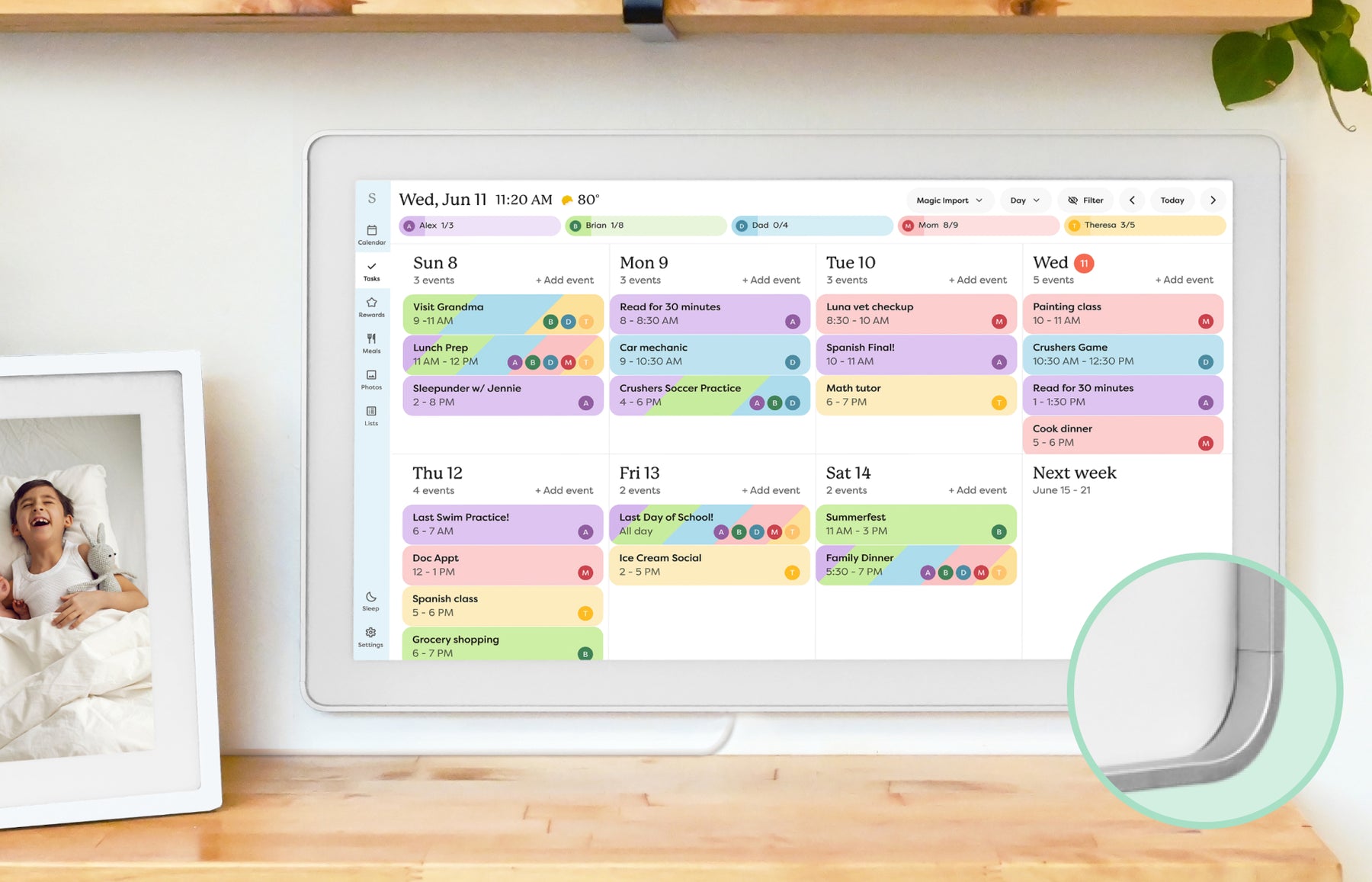
The category no longer has one simple subscription story. On official U.S. sources checked August 10, 2026, Skylight still presents Calendar Plus as an optional paid layer around specific workflow and media features, Hearth positions Family membership as part of the broader command-center experience, and DAKboard still offers a free dashboard path with optional paid tiers. eCalendar-style products such as Dragon Touch, Apolosign, and Aluratek often lower recurring cost pressure, but they shift more risk into exact-model verification, support, and setup quality.
- Treat Skylight Plus as an upgrade decision tied to specific features such as Magic Import, Sidekick-style automation, meal planning, rewards, or media screensaver use.
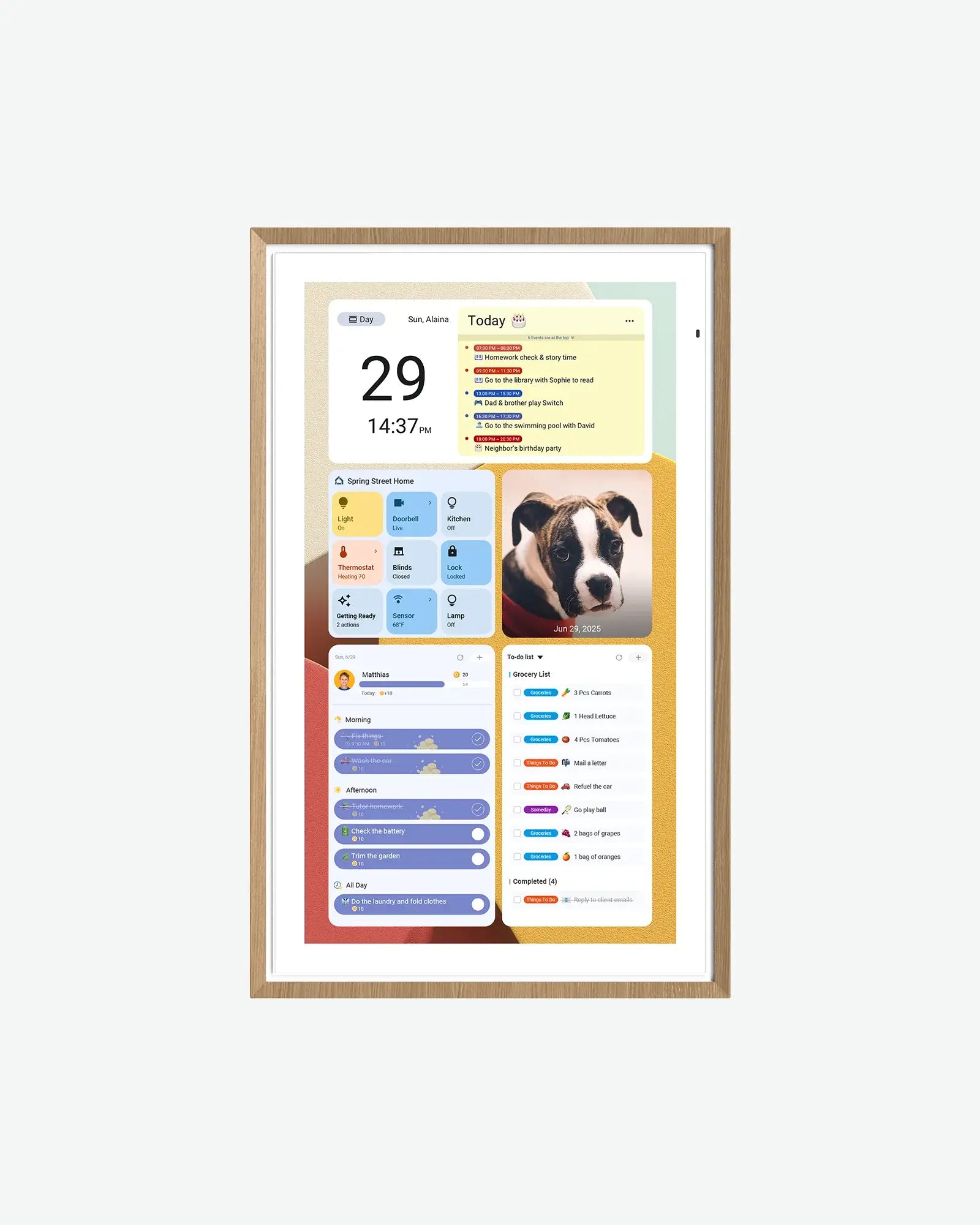
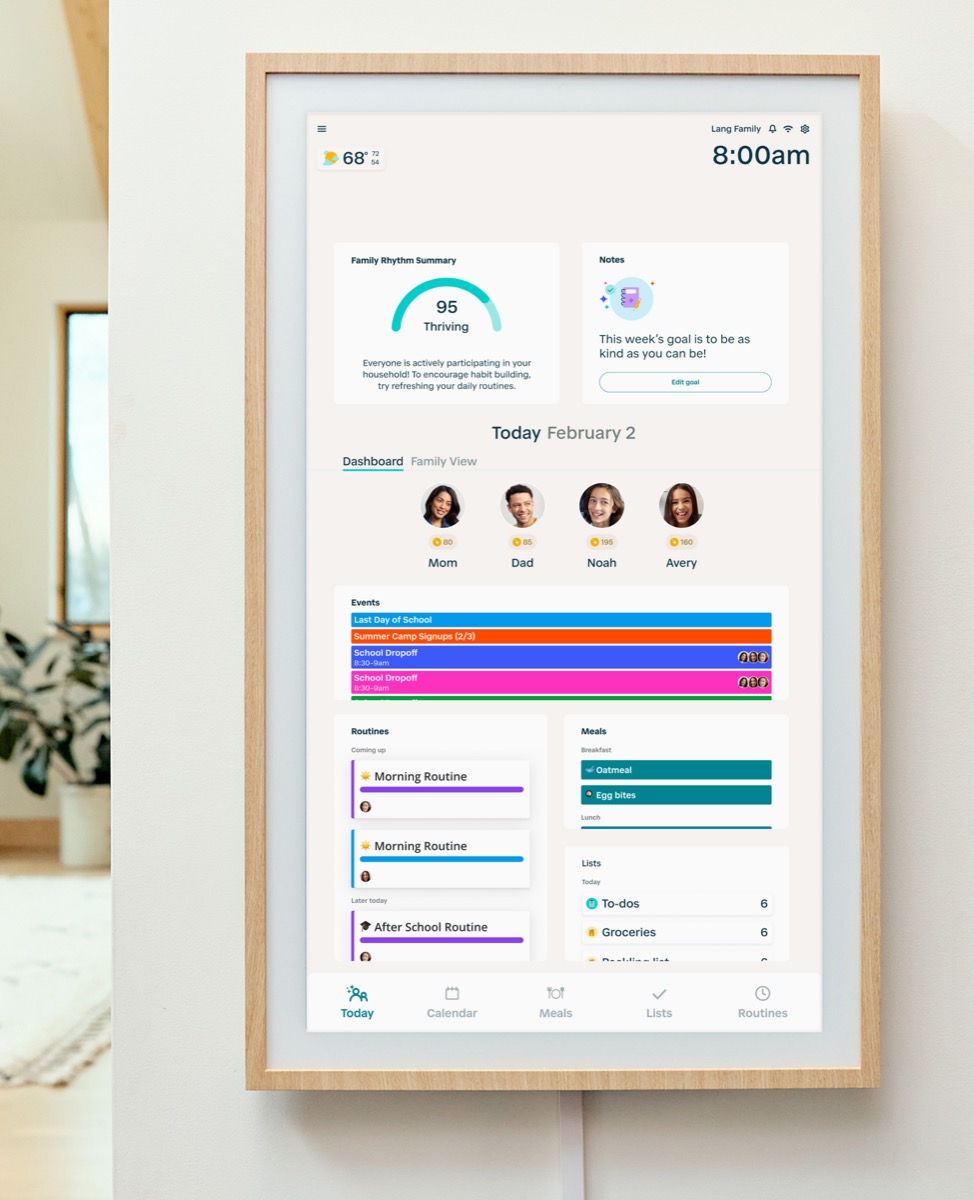
- Treat Hearth membership as a command-center value question, not just a hardware-price question, because the family may be buying routines and household follow-through rather than only a calendar screen.
- Treat DAKboard as a dashboard-maintenance decision where free can be enough for some layouts, while paid tiers matter only if the household needs more screens, widgets, or management features.
- Treat no-subscription eCalendar claims as a different tradeoff, not automatic proof of better value.
Compare first-year cost with maintenance burden
The first-year number still matters, but a stronger cost check asks who maintains the screen after launch. A premium product can be cheaper in practice if it keeps the household on one dependable workflow. A cheaper product can become expensive if someone keeps fixing imports, permissions, widgets, or family adoption problems.
- Write down hardware, recurring plan, accessories, and any setup add-ons before calling one option cheaper.
- Name the adult who will maintain imports, widgets, account sharing, and troubleshooting after the first week.
- Use a three-year view only after the basic weekly workflow is proven, because unused premium features and abandoned cheap setups both distort the math.
AI and import features change the cost math fastest
AI helpers, imported schedule handling, and family-planning extras are where subscription language moves fastest. Those features can create real value, but they also create the highest risk of paying for demos instead of habits. Source-backed pricing and feature wording should be treated as current snapshots, not permanent truths.
- Recheck Plus, membership, and dashboard-tier wording at checkout because plan terms and bundles can change.
- Avoid counting AI, Magic Import, photo animation, or premium dashboard features as value unless the household can name the repeated job they will remove.
- If the AI or import workflow is the whole reason the product feels attractive, compare at least one lower-plan and one no-subscription path before buying.
No subscription is not the same as no cost pressure
A recurring fee can be a real objection, but a no-subscription headline only wins when the free workflow is complete enough for the household. Lower recurring cost can still come with weaker support confidence, more setup burden, narrower app behavior, or more model confusion across marketplace listings.
- Use no-subscription paths when the family mainly needs visible scheduling and can accept more exact-model verification.
- Use a paid path when the family clearly needs the workflow behind the plan and is likely to keep using it after setup week.
- Reject any option that looks cheap only because the household has not yet priced the maintenance burden.
Research notes and sources
- Official plan-pattern checks were refreshed on August 10, 2026. Skylight still presented Calendar Plus as an optional paid layer, Hearth still paired more of the family command-center workflow with membership, and DAKboard still exposed a free path plus optional paid plans.
- This page is a source-backed buying framework, not a promise that one pricing model is always better. Product fit still depends on the weekly job, setup owner, and exact model checked at purchase time.
- No-subscription eCalendar paths remain relevant because they lower recurring-cost pressure, but SmartFrameLab still treats exact-model support, app maturity, and support confidence as part of the total-cost decision.
Skylight Calendar Plus Official U.S. Plus plan wording and feature boundary checked August 10, 2026. Skylight Calendar Max Official model and bundle context checked August 10, 2026. Hearth Membership Official membership framing, trial, and plan wording checked August 10, 2026. DAKboard Pricing Official free-versus-paid dashboard tier reference checked August 10, 2026.
Buying checklist
Separate hardware cost, recurring plan cost, and setup accessories before comparing products.
Mark each must-have feature as free, paid, unclear, or available through a different product path.
Write down which adult will maintain imports, widgets, permissions, and family account changes after setup.
Compare first-year cost and likely three-year cost only after the weekly job is clear.
Recheck AI, import, dashboard, and membership wording on the current official page before checkout.
Check return window, cancellation path, and current support route before treating a lower-cost option as safer.
Products to compare
| Product | Role | Best for | Source status |
|---|---|---|---|
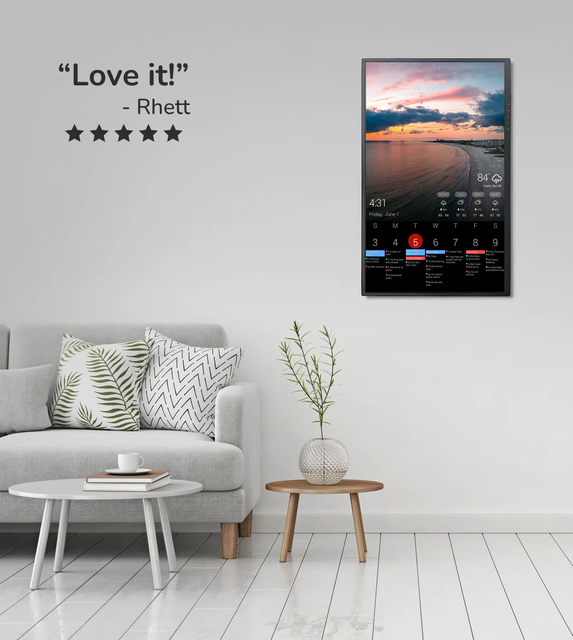
| Smart calendar frame | Families who want a polished shared calendar with broad mainstream support and do not want to run a DIY dashboard. | Official + retailer sources · checked August 21, 2026 | |
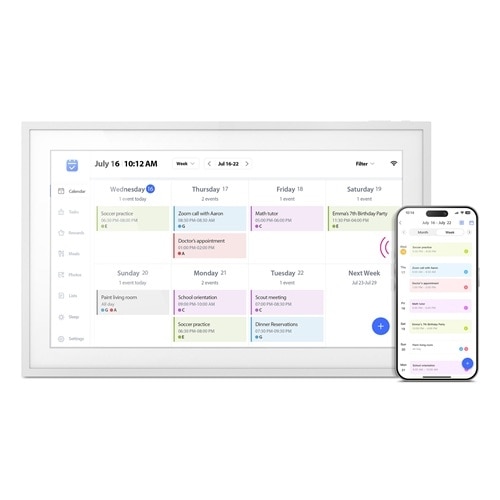
| Smart WiFi digital calendar | Families comparing lower-cost, no-subscription-positioned digital calendar frames with broad calendar sync. | Official sources · checked August 29, 2026 | |
| Android digital calendar | Families who want a spec-transparent Android/Google ecosystem calendar display with multiple sizes and no-subscription positioning. | Official sources · checked September 21, 2026 | |
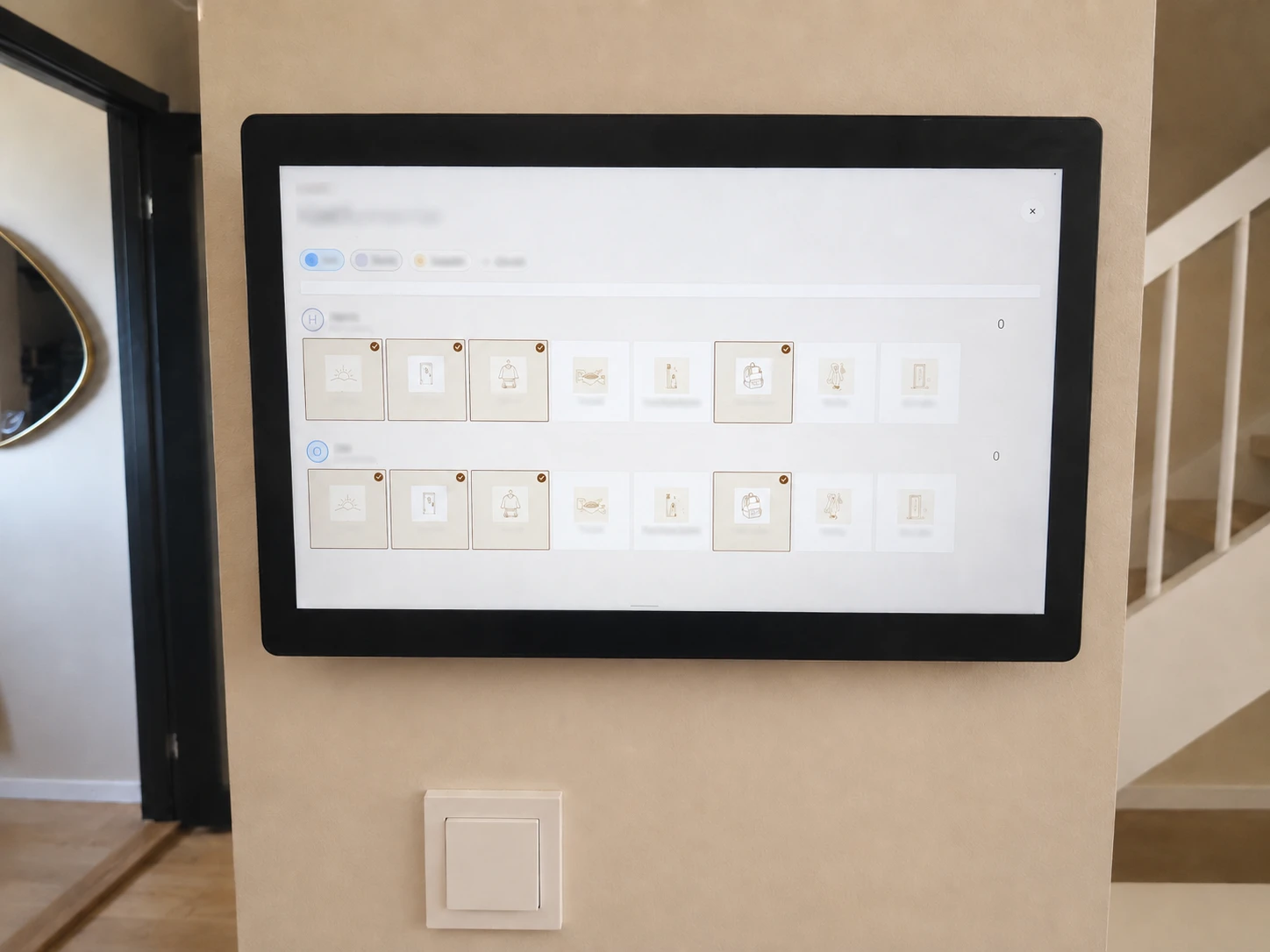
| Family command display | Families that want routine management and a command-center style home display. | Official sources · checked September 14, 2026 | |
| Custom dashboard display | Homes that want a configurable dashboard for calendars, photos, weather, chores, or mixed household information on one screen. | Official sources · checked August 29, 2026 | |
| Smart WiFi digital calendar and photo frame | Families who want a specific 15.6-inch eCalendar-style product with clear hardware specs and broad calendar sync. | Official sources · checked August 29, 2026 | |
| Family display | Homes comparing Skylight alternatives with calendar, photo, and family-display needs. | Official + retailer sources · checked August 29, 2026 | |
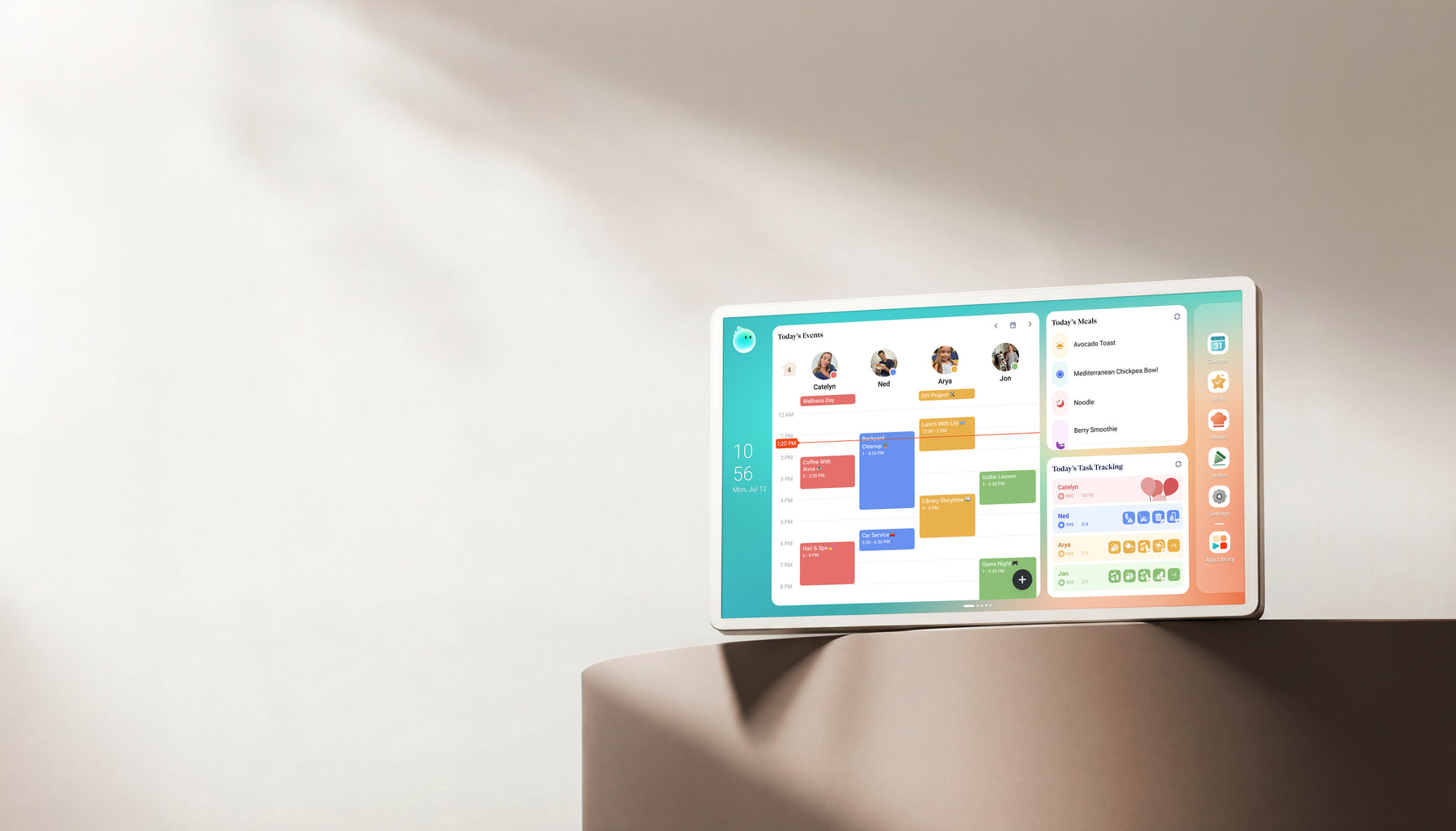
| European family display | European families who want calendars, meals, tasks, kids routines, shopping, photos, and an AI assistant in one connected household workspace. | Official sources + hands-on software checks · checked September 13, 2026 |
Common questions
Are smart frame subscriptions always bad?
No. A subscription can be worthwhile if it powers a workflow the household uses every week. The risk is paying for features that looked impressive during setup but never become part of the family routine.
Which smart frame has the lowest subscription pressure right now?
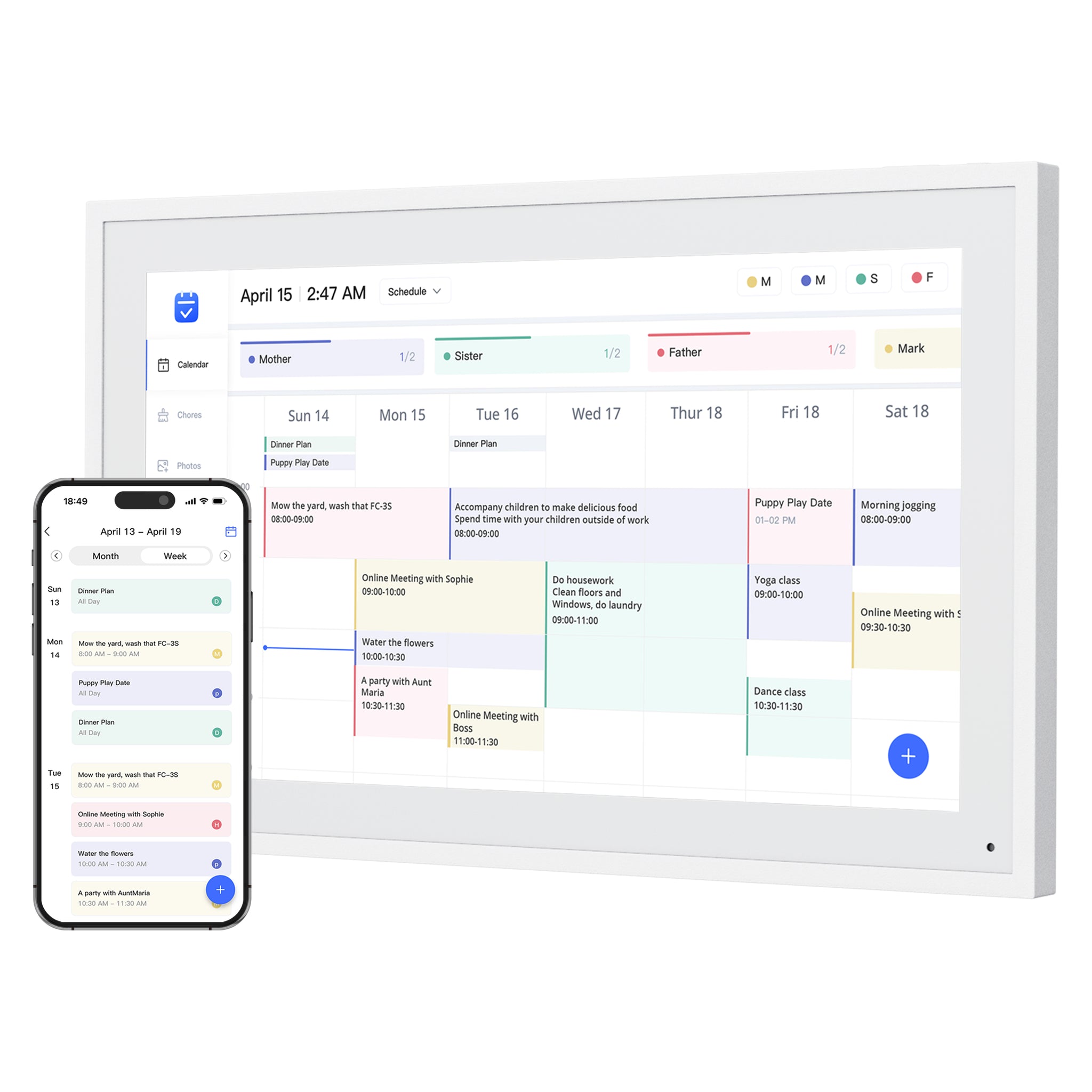
It depends on the job. eCalendar-style products such as Dragon Touch, Apolosign, and Aluratek usually create lower recurring-cost pressure, but that does not make them automatic winners. DAKboard can still be low-cost if the free dashboard path is enough. Hearth and Skylight deserve a closer paid-feature audit when the family wants routines, imports, media, or broader household coordination.
How should I compare a paid plan with a no-subscription alternative?
Start by naming the one weekly task the display must remove. Then mark whether each product covers that task in the free path, paid path, or not clearly enough. Compare setup burden, support confidence, and who maintains the screen after launch before deciding that zero recurring cost is automatically better.